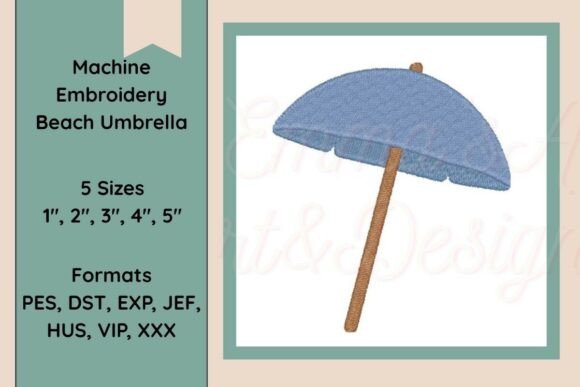
Beach Umbrella Machine Embroidery Design
First Impressions: A Breath of Salt Air in Stitch Form
Opening the Beach Umbrella Machine Embroidery Design file felt like stepping barefoot onto warm sand—immediately calming, instantly evocative. This isn’t a fussy or overly detailed illustration; it’s a clean, confident silhouette of a classic striped beach umbrella with gentle curves and subtle shading that suggests breeze and light. The mood is relaxed but intentional—sweet without being cutesy, seasonal without feeling dated. It leans into timeless summer charm rather than trendy novelty, which makes it ideal for personalized gift products meant to last beyond one season.
Where This Design Truly Shines: Real-World Gift Applications
I tested Beach Umbrella Machine Embroidery Design across six common personalized gift categories—and each time, it elevated the perceived value of the finished product. On a soft cotton baby blanket? It read as tender and nostalgic—not “babyish,” but quietly meaningful for a seaside-themed nursery. On a linen kitchen towel? Instant warmth and personality, turning an everyday item into a small shop product customers photograph and tag. As a wedding gift stitched onto a linen pillow cover for the couple’s beach getaway suite? Elegant, cohesive, and emotionally resonant—no monogram needed.
It also works beautifully on:
- Embroidered towel sets (hand towels, beach towels)—the scale holds up even at 4–5 inches wide
- Pillow cover backs for coastal-themed rentals or boutique hotel stays
- Custom tote bags sold at craft fairs or via Etsy—customers love how it reads from a distance
- Aprons for bakeries or coffee shops leaning into summer branding
- Blanket embroidery for newborns—especially when paired with soft pastel thread colors
- Nursery decor, like framed hoop art or wall hangings made from cotton twill
Thoughtful Placement Matters: Know When (and Where) to Pause
This design is versatile—but not universally forgiving. I recommend extra caution when using Beach Umbrella Machine Embroidery Design on:
- Stretchy baby clothes: The umbrella’s clean lines can distort on knit fabrics unless stabilized with cutaway + topping
- Textured fabric like terry cloth or heavy canvas: stitch density may cause puckering if stabilizer isn’t matched precisely
- Dark fabric: Test thread colors thoroughly—some light blues or creams vanish on navy or charcoal unless you use high-contrast options
- Curved surfaces (like mugs or curved tote handles): avoid unless digitized specifically for contour stitching
- Products needing frequent washing: Confirm thread quality and stabilizer hold-up—especially for embroidered towel use
There’s no tiny script or intricate filigree here, so readability isn’t compromised—but always verify clarity on your target fabric before committing to bulk production.
Why Customers Choose It—and Why They Trust You More
As an embroidery designer who’s shipped thousands of custom orders, I’ve watched how Beach Umbrella Machine Embroidery Design influences buyer behavior. It invites emotional connection—not just “summer,” but *memory*: childhood vacations, slow mornings by the shore, quiet moments shared. That resonance translates directly to higher engagement on Etsy listings, stronger photo appeal (it photographs cleanly against both light and dark backdrops), and improved repeat trust. When a customer sees this design on your handmade product, they don’t just see stitching—they see intention, care, and seasonal authenticity.
For small shop owners and Etsy sellers, that perception lifts average order value. Pair it with a simple handwritten note about “bringing the beach home,” and you’ve transformed a $28 pillow cover into a keepsake.
Practical Embroidery Notes You’ll Want to Keep Handy
Before stitching your first Beach Umbrella Machine Embroidery Design for a customer order, run through these quick checks:
- Test on scrap fabric—especially if using textured, thick, or stretchy material
- Confirm hoop size compatibility with your machine and intended product (e.g., a 5x7 hoop fits most towel corners comfortably)
- Review stitch density: High density adds richness but increases wear risk on delicate items—adjust if needed for baby embroidery or lightweight linens
- Match stabilizer to fabric type: Tear-away for stable wovens, cutaway for knits, and fusible + topping for towels
- Compare thread color mockups on both light and dark fabric swatches—what reads well digitally may fade on black cotton
- Inspect small details post-stitch: Check umbrella ribs and stripe alignment—especially after trimming and washing test pieces
- Verify commercial licensing before selling finished products—this is essential for Etsy sellers and small business owners offering custom embroidery
A Design That Grows With Your Business
What makes Beach Umbrella Machine Embroidery Design especially valuable for handmade sellers is its adaptability across audiences and price points. It reads equally well on a $12 custom apron for a local café and a $98 heirloom baby blanket. It supports storytelling—whether you’re marketing to new parents seeking gentle nursery themes, wedding gift designers curating coastal elegance, or craft fair vendors building a recognizable summer collection.
And because it avoids overcomplication, it scales efficiently: fewer thread changes, consistent hooping, reliable stitch-outs across machines. That reliability builds confidence—not just in your workflow, but in how customers experience your brand. Every time someone receives a personalized gift featuring this design, they’re not just getting embroidery. They’re receiving a small, sunlit pause—a reminder that thoughtful detail matters.
Final Thought: Summer Isn’t Just a Season—It’s a Feeling You Can Stitch
Beach Umbrella Machine Embroidery Design doesn’t shout. It smiles. It breathes. It belongs on products people keep, gift, and reach for again and again—not because it’s flashy, but because it feels true. Whether you’re designing baby embroidery for a first beach trip, curating wedding gifts with coastal grace, or building a digital embroidery file shop rooted in authenticity, this design earns its place in your library. Just remember: pair intention with execution, test with care, and let the sunshine do the rest.