Coastal Paradise Embroidery
First Impressions: A Breath of Salt Air in Stitch Form
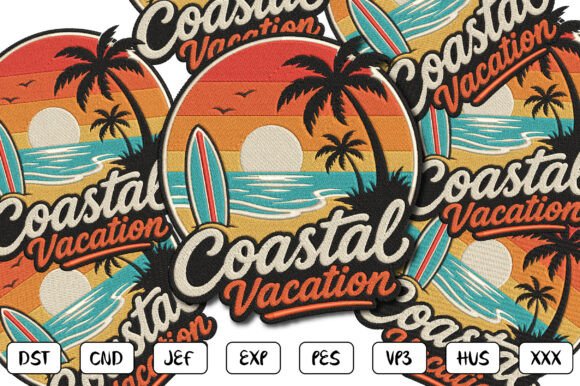
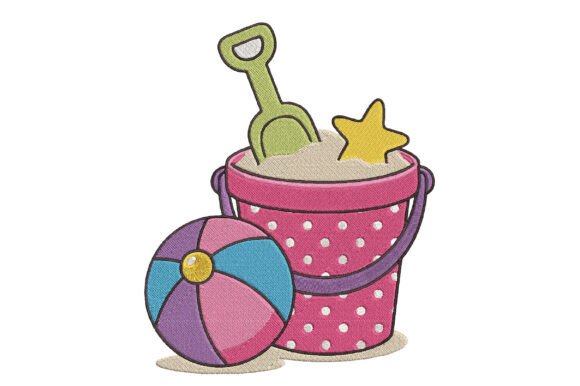
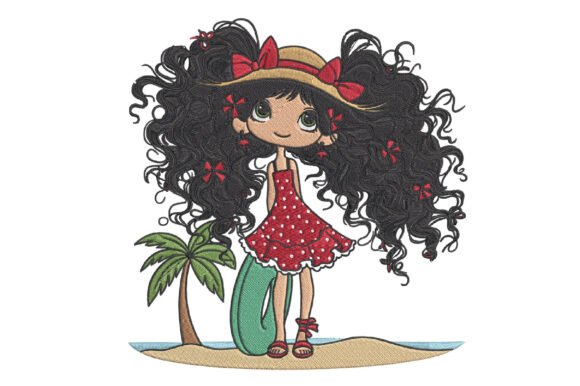
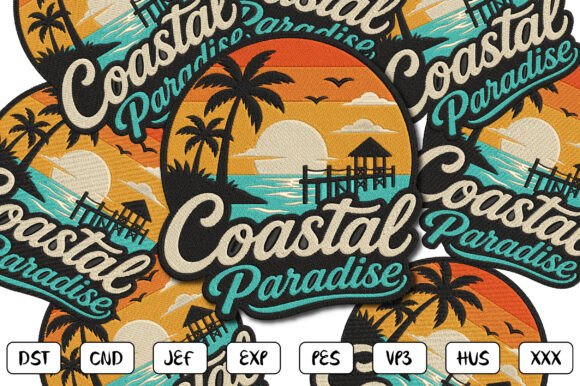
Opening Coastal Paradise Embroidery feels like stepping onto a sun-warmed dock at dawn—palm fronds sway, water shimmers, and the whole composition hums with quiet tropical ease. It’s not loud or cartoonish; it’s a refined machine embroidery design that leans into negative space and organic flow. The palm trees are stylized but grounded, the ocean water suggested with gentle satin stitch curves rather than dense fill stitch chaos. There’s breathing room between elements—not overcrowded, not sparse. That balance is rare in Summer-themed embroidery files, and it tells me this was drafted by someone who understands how thread behaves on fabric, not just how vectors look on screen.
Real-World Test: Stitching It for a Boutique Tote Bag Line
Last week, I prepped Coastal Paradise Embroidery for a small-batch run of linen-cotton tote bags sold through a local gift shop and Etsy. These aren’t quick craft fair giveaways—they’re $48 handmade products meant to feel intentional, durable, and quietly luxurious. So I didn’t just load the file and stitch. I asked: Will this hold up after six grocery trips and two hand washes? Will the palm fronds read clearly at 3.5" wide on textured fabric? Will customers *feel* the calm it promises—or just see “beachy”?
The answer, after three test runs on scrap fabric, was yes—but with nuance. On medium-weight natural linen, the design stitched cleanly with light tear-away stabilizer. The ocean water section used soft fill stitch with moderate density—no puckering, no thread breakage. Palm trunks held crisp definition thanks to well-placed running stitch outlines. But on a heavier canvas tote (with more give), I added cut-away stabilizer underneath—and that made all the difference for stitch clarity in the curved frond tips.
Where It Shines (and Where It Asks for Extra Care)
Coastal Paradise Embroidery excels on stable, flat surfaces where its rhythm can breathe:
- Custom apparel: Works beautifully on crewneck sweatshirts (center-chest placement) and relaxed-fit tees—especially when paired with tonal thread colors that let the shape speak louder than contrast.
- Home + lifestyle items: Pillow covers, tea towels, and aprons gain instant warmth without looking themed or dated. The design’s simplicity avoids “cutesy” and lands closer to modern coastal decor.
- Personalized gifts: Embroidered baby blankets and nursery wall hangings benefit from its soothing, non-gendered vibe—no cliché flamingos or overdone anchors here.
- Digital product use: As a digital embroidery file, it scales cleanly for printable mockups. I’ve used it in both light-and-dark background previews for my Etsy listings—no redrawn versions needed.
But it’s not universally forgiving. Avoid using Coastal Paradise Embroidery on:
- Curved surfaces like structured caps—those palm fronds lose definition fast without careful digitizing adjustments.
- Ultra-thin fabrics (like rayon challis) without heavy stabilizer—it’ll shift and distort during stitching.
- Stretchy knits unless you’re experienced with hooping techniques and knit-specific stabilizers.
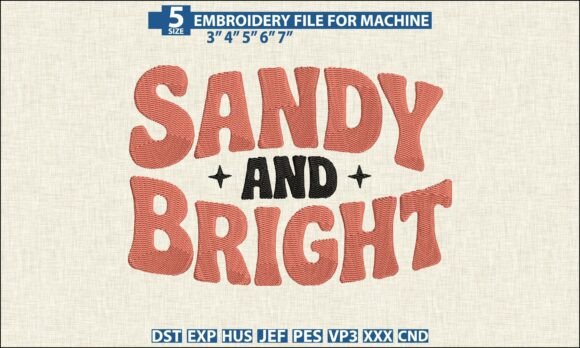
- Small hoop sizes under 4"x4"—the composition relies on proportion. Squeezing it risks flattening the ocean’s gentle curve and blurring frond separation.
What It Adds Beyond Thread: Trust, Tone, and Tangible Value
As a designer who sells embroidered patches and custom apparel, I judge embroidery files not just by stitch count—but by how they shape perception. Coastal Paradise Embroidery elevates a plain tote bag from “nice” to “thoughtfully made.” Customers notice the spacing. They feel the intention behind the satin stitch water—it’s not filler; it’s atmosphere. That translates directly to perceived value and willingness to pay a premium.
For Etsy sellers and small shop owners, it strengthens brand consistency—especially if your aesthetic leans into slow living, mindful making, or elevated craft. It doesn’t scream “summer sale!” It whispers “you deserve calm.” And that subtlety builds trust faster than any banner graphic.
It also performs well in gifting contexts: wedding weekend totes, new parent welcome kits, teacher appreciation bundles. Because it’s peaceful—not playful—it crosses age and occasion lines gracefully.
Designer Notes You’ll Actually Use
Before stitching Coastal Paradise Embroidery on your next project, do these five things:
- Test on scrap fabric first—not just same fiber, but same weight and finish as your final piece.
- Check thread color contrast deliberately. Try it in navy on cream linen vs. ecru on indigo denim. The mood shifts dramatically.
- Review stitch density visually—zoom in on the ocean area. If fill stitch looks too solid or too airy, adjust density in your software before stitching.
- Confirm hoop size compatibility—if your machine maxes out at 4"x4", verify the design fits comfortably within that frame with margin for pull compensation.
- Inspect small details at 200% zoom—especially frond tips and waterline edges. Are they clean? Do they taper naturally? That’s where amateur files often falter.
And one non-negotiable: confirm licensing terms before selling finished products or reselling the digital embroidery file. Coastal Paradise Embroidery is a creative asset—not just decoration—and respecting its usage rights protects your craft business long term.
A Design That Stitches With Intention
Coastal Paradise Embroidery isn’t just another tropical motif. It’s a well-considered embroidery project partner—calm in concept, precise in execution, and versatile without being generic. It works because it respects fabric, thread, and the person holding the finished product. Whether you’re stitching a single personalized gift or scaling for small-batch commercial embroidery, this design carries weight—not in density, but in presence. It reminds us that the best embroidery doesn’t shout. It settles in, breathes with the fabric, and leaves room for the person wearing or holding it to exhale.