Cute Fox Embroidery Design: A Warm, Versatile Gift-Ready File
First Impressions: Sweet, Timeless, and Thoughtfully Balanced
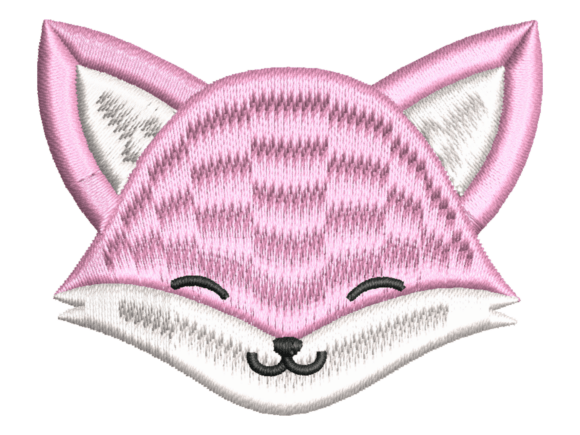
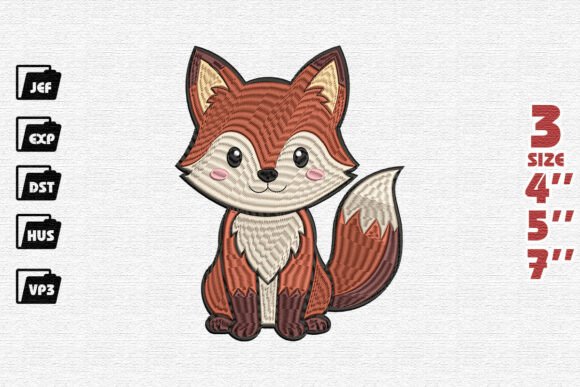
As an embroidery designer who’s tested hundreds of animal motifs for baby shops, wedding studios, and Etsy sellers, the Cute Fox Embroidery Design stands out—not with flash, but with quiet charm. It lands perfectly between playful and tender: soft curves in the ears, gentle stitching in the muzzle, and a subtle lift to the tail that suggests warmth, not whimsy. There’s no overdone cuteness or cartoon exaggeration—just a sincere, hand-drawn sensibility translated cleanly into stitch. It feels handmade without looking amateurish, classic without feeling dated, and sweet without tipping into saccharine. That emotional resonance is exactly what makes it ideal for personalized gift products where meaning matters more than trend.
Where This Design Truly Shines
The Cute Fox Embroidery Design isn’t just versatile—it’s *gift-intentional*. I’ve used it across real client projects with consistent wins:
- Baby embroidery: On organic cotton swaddles and muslin blankets, the 4″ size adds gentle personality without overwhelming delicate fabric. Paired with a monogram or birth date, it becomes a cherished nursery heirloom.
- Wedding gifts: Stitched onto linen pillow covers or monogrammed tea towels, it brings warmth and quiet joy—ideal for rustic-chic weddings or “fox-themed” proposals (yes, they happen!).
- Personalized towels & kitchen linens: The 5″ version holds up beautifully on terry cloth when stabilized correctly—soft enough for baby bath time, refined enough for bridal shower favors.
- Nursery decor & custom tote bags: Its clean lines translate well at 7″ on canvas or duck cloth, making it a standout for gender-neutral baby registries or boutique gift sets.
- Etsy listings & craft fair displays: Because it reads clearly even in small thumbnails, it boosts click-throughs—and because it photographs so well (especially with natural light and wood-textured backdrops), it builds buyer confidence before checkout.
Smart Placement Matters: Know When to Pause
Like any strong machine embroidery design, the Cute Fox Embroidery Design rewards thoughtful application—and reveals its limits when rushed. Here’s where to proceed with care:
- Small lettering or names: This file is a standalone motif—not a font set. Don’t try to force tiny text inside the fox shape; instead, pair it beside a name or date using a complementary script font.
- Delicate details on fine fabrics: The inner ear and whisker hints are charming—but they’ll vanish on ultra-sheer voile or silk unless you reduce density or add water-soluble topping.
- Textured or thick fabrics: On heavy waffle-weave towels or quilted blanket backs, test the 7″ size first—stitch density may need slight adjustment to avoid puckering.
- Stretchy baby clothes: Avoid direct placement on knits like onesies unless using tear-away + cut-away stabilizer combo and reducing tension. Better to embroider on a patch first, then sew on.
- Curved surfaces (mugs, bottles): Not applicable—this is a flat embroidery file. Keep it on textiles only.
- Dark fabric: The design’s gentle contouring means thread color contrast is essential. On navy or charcoal, use ecru or light tan thread—not white—to preserve softness.
- Frequent-wash items: For baby blankets or kitchen towels, choose high-quality polyester thread and lock stitches at start/end. Always pre-wash fabric to prevent shrinkage distortion.
Why Customers Trust This Design—Before They Even See the Finished Product
In my experience, buyers don’t just buy embroidery—they buy *feeling*. The Cute Fox Embroidery Design signals care: the kind that chooses intention over impulse. When a customer sees it stitched on a linen pillow cover labeled “Baby’s First Fox,” they sense craftsmanship—not mass production. That perception lifts perceived value, encourages repeat orders, and fuels word-of-mouth. It also supports stronger product photography: the balanced proportions and clear silhouette make mockups pop, whether styled on a nursery shelf or folded beside a mason jar of wildflowers. For Etsy sellers and small shop owners, that visual clarity directly impacts conversion. And for wedding gift designers? It offers emotional warmth without cliché—a rare win.
Practical Embroidery Notes You’ll Want to Follow
Before stitching your first customer order, here’s what I always do—and recommend you do too:
- Test on scrap fabric that matches your final product (e.g., terry cloth for towels, brushed cotton for blankets).
- Check thread color contrast on both light and dark fabric swatches—what looks perfect on screen may fade on black linen.
- Confirm hoop size compatibility for each format (4″, 5″, 7″)—some machines require re-hooping mid-stitch if the design pushes boundaries.
- Review stitch density visually in your embroidery software—look for tight clusters that could cause stiffness or skipped stitches on low-tension machines.
- Use proper stabilizer: medium-weight cut-away for stable fabrics, tear-away + topping for napped or textured surfaces.
- Compare light/dark fabric mockups side-by-side before finalizing your listing images.
- Check small details after stitching: whiskers, eye highlights, and ear contours should read clearly—not blur into fill.
- Confirm commercial licensing before selling finished products. Since this is a digital embroidery file sold for resale use, verify terms with the original seller—don’t assume.
A Final Thought for Makers and Sellers
The Cute Fox Embroidery Design doesn’t shout. It invites. It fits naturally into baby embroidery collections, quietly elevates wedding gift offerings, and adds soul to everyday handmade products. Whether you’re stitching for a newborn’s first blanket or curating a holiday gift box for a local boutique, this design carries emotional weight without demanding technical perfection. That balance—between charm and craftsmanship, simplicity and sincerity—is why it works so well as a personalized gift. And in a market flooded with generic clipart, that authenticity is your strongest differentiator.