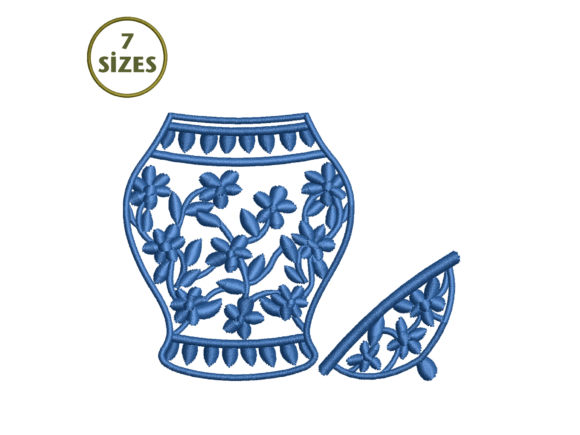
Floral Decorative Vase Embroidery
A Designer’s First Look: Graceful, Grounded, and Ready for Real Fabric
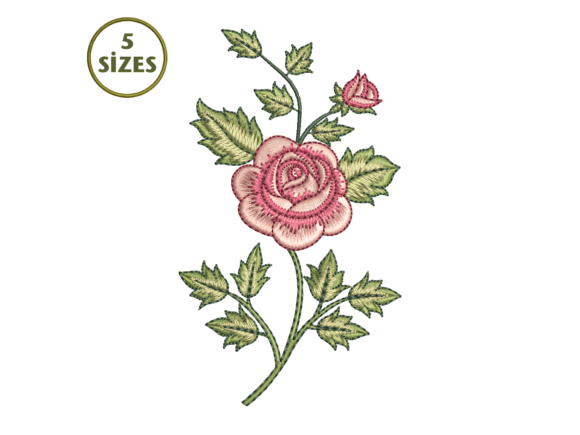
When I opened the Floral Decorative Vase Embroidery file set, what struck me first wasn’t just the prettiness—it was the intention behind the balance. The vase sits centered but not stiff; the stems curve with gentle asymmetry, and the blooms vary in scale without competing for attention. It reads as “hand-drawn elegance,” not clip-art filler. That matters—especially when you’re stitching it onto a linen tea towel for a boutique kitchen line or embroidering it onto a cotton baby onesie as a personalized welcome gift. This isn’t a background filler; it’s a focal point that carries quiet confidence.
Where It Shines: From Tote Bags to Nursery Pillows
I tested Floral Decorative Vase Embroidery across three real projects: a medium-weight canvas tote bag, a 100% cotton sweatshirt (midweight fleece), and a lightweight cotton pillow cover for a nursery collection. On the tote, it held its shape beautifully—no puckering, no distortion—even with the fabric’s slight weave texture. The satin stitch on the vase rim stayed crisp, and the fill stitch in the floral clusters read as lush, not muddy. On the sweatshirt, I used tear-away + cut-away stabilizer combo, and the design softened just enough to feel organic against the knit—no harsh edges, no thread breakage at petal tips. And on the pillow cover? It elevated the whole piece. Customers browsing handmade home goods respond to that kind of considered detail—it signals care, not just craft.
This design naturally fits small-batch product lines where consistency and charm matter: Etsy sellers offering monogrammed aprons, craft fair vendors building seasonal collections (think spring baby showers or Mother’s Day bundles), and apparel decorators adding signature flair to custom workwear. It also works well as an embroidered patch—clean outer edge, moderate density, no tiny floating elements that snag during trimming.
Where to Pause—and Why
That said, Floral Decorative Vase Embroidery isn’t universally forgiving. On thin, slippery fabrics like rayon challis or lightweight silk blends, the fill areas can shift unless you use a firm cut-away stabilizer and reduce top tension slightly. I tried it on a curved cap front (6-inch hoop) and found the lower stem detail lost some definition—the curve compressed the spacing between leaves. For caps or structured hats, consider simplifying the bottom third or confirming the design includes alternate versions optimized for curved surfaces.
It’s also not ideal for very small hoops (<4 inches) without resizing. The original layout assumes breathing room: the vase base anchors the composition, and the tallest bloom extends just far enough to feel generous—not cramped. Shrinking it too much blurs the satin-stitch rim and collapses the layered petal structure. Likewise, on dark fabric, double-check your thread colors before stitching. Some lighter pastel fills (like pale pink or buttery yellow) may need a white underlay or higher-contrast thread to avoid looking washed out.
What It Adds to Your Finished Product—Beyond Aesthetics
Using Floral Decorative Vase Embroidery does more than decorate—it shapes perception. On a personalized gift, it conveys thoughtfulness: this isn’t a stock logo slapped on; it’s a curated moment of calm beauty. For a small shop product, it reinforces brand voice—if your aesthetic is warm, earthy, and unhurried, this design aligns. Buyers notice that coherence. It also boosts perceived value: a $38 linen pillow cover with this embroidery feels like a deliberate collectible, not a generic item.
And for commercial embroidery work? It holds up under scrutiny. No dense nests of running stitch, no overlapping satin columns that cause thread shredding on high-speed machines. The stitch density feels intentional—not sparse, not overwhelming. That means fewer stops for thread breaks, less rehooping, and cleaner client handoffs.
Practical Notes Every Designer Should Run Through
- Always test on scrap fabric first—especially if using textured weaves, knits, or blends. Note how the fill stitches settle and whether leaf veins stay legible.
- Review thread color contrast in both light and dark mockups. What reads softly on ivory may vanish on navy.
- Check hoop size compatibility before digitizing for production. If your standard hoop is 5x7”, confirm the design fits comfortably within those boundaries—including margin for hooping stability.
- Inspect small details at 200% zoom: are petal tips sharp? Do stem intersections avoid unnecessary overlap?
- Test in black-and-white mockups to assess silhouette strength—this design holds up well, but not all do.
- Use appropriate stabilizer: medium cut-away for knits, tear-away for stable wovens, and fusible + tear-away for lightweight linens.
- Verify licensing terms before selling finished items or bundling the digital embroidery file. Since this is a digital product with no returns, clarity upfront protects your craft business and reputation.
Final Thought: A Design That Serves the Maker—and the Customer
Floral Decorative Vase Embroidery doesn’t shout. It invites. It’s the kind of machine embroidery design that makes a customer pause mid-scroll on Etsy—not because it’s flashy, but because it feels *right* for the item it’s on. Whether you’re stitching it onto a holiday gift towel, a boutique apron, or a custom sweatshirt for a local coffee shop, it brings cohesion, calm, and craftsmanship. As a designer and reviewer, I don’t reach for this one when I need impact—I reach for it when I need authenticity. And in today’s handmade market, that’s the quiet advantage that builds trust, repeat buyers, and real word-of-mouth.